

Supporting Endometriosis Through Gut Health: A Nutritional Therapy Guide
Jayne Higgins explores the emerging science connecting the gut microbiome to endometriosis. Turning the latest science into something practical and helpful because for those living with this condition, actionable support matters. Knowledge without direction can feel like yet another dead end, and in this blog she offers more than that.
The research is clear that gut dysbiosis - an imbalance in the gut microbiome - is consistently found in women with endometriosis. This dysbiosis disrupts the estrobolome, the community of gut bacteria responsible for metabolising and regulating oestrogen, which can drive elevated circulating oestrogen levels and fuel the growth of endometriotic lesions. Gut imbalance also promotes chronic inflammation and compromises the body's own anti-inflammatory defences. In short: what happens in the gut does not stay in the gut.
These are not abstract findings. They point directly to areas where targeted nutritional support can make a genuine difference.
What You Can Do Right Now: Nutritional Therapy for Gut Health and Endometriosis
What I share here comes from both professional training and lived proximity to this condition. I have spent years alongside someone navigating it without adequate support, and that experience has profoundly informed the way I approach this work with clients. These are not abstract recommendations drawn from textbooks — they reflect what I have come to understand, through science and through life, about how the body can be genuinely supported.
These approaches do not replace your medical care - please see the disclaimer below - but they can make a meaningful difference to how you feel day to day.
1. Adopt an Anti-Inflammatory Dietary Foundation
Chronic inflammation is central to endometriosis. An anti-inflammatory diet provides the building blocks for a calmer internal environment. Focus on:
- Omega-3 rich foods: oily fish (salmon, mackerel, sardines), walnuts, flaxseeds, hemp seeds
- Colourful vegetables and fruits: particularly leafy greens, berries, broccoli, and beetroot — all rich in antioxidants and polyphenols
- Olive oil as your primary cooking fat
- Reduced red meat and processed foods, which promote inflammation and may worsen gut dysbiosis
2. Support Your Estrobolome with Fibre and Fermented Foods
A fibre-rich diet feeds the beneficial bacteria responsible for healthy oestrogen metabolism. Aim for a wide variety of plant-based fibre sources — vegetables, legumes, wholegrains, fruits, nuts, and seeds. Diversity is key: try to eat 30 different plant foods per week as a practical target.
Fermented foods introduce beneficial bacteria and support microbiome diversity. Include small, regular portions of live yoghurt (unsweetened), kefir, sauerkraut, kimchi, and miso in your diet.
3. Consider Targeted Probiotic and Prebiotic Support
Research points to specific bacterial deficits in endometriosis. A qualified nutritional therapist can help you identify appropriate probiotic strains and prebiotic fibres (such as inulin and fructooligosaccharides) that may help to address your individual microbiome imbalances. Supplementation should always be tailored rather than generic.
4. Identify and Reduce Dietary Triggers
Certain foods consistently worsen gut dysbiosis and systemic inflammation:
- Ultra-processed foods and refined sugars, which feed pathogenic bacteria and promote LPS production
- Alcohol, which is both pro-inflammatory and disruptive to the gut lining
- Gluten and dairy, which some women with endometriosis find exacerbate their symptoms — an elimination and reintroduction protocol, guided by a practitioner, can help identify individual sensitivities
- Excessive caffeine, which may worsen oestrogen metabolism and disrupt sleep
5. Prioritise Gut Lining Integrity
A compromised gut lining allows bacterial endotoxins — including LPS from Gram-negative bacteria — to enter the bloodstream and trigger systemic inflammation. Nutrients that support gut lining integrity include L-glutamine, zinc, vitamin D, and omega-3 fatty acids. These are best taken within a personalised, practitioner-supervised plan.
You Deserve Support — and You Are Not Alone
If you have spent years being told your pain is normal, being dismissed by the very people who should have helped you, or managing a complex condition largely on your own - please know that your experience is valid, your pain is real, and you deserve so much better.
I know something of what it means to sit beside a person you love and feel helpless. To watch years pass without answers. To witness the toll that dismissal, trial-and-error prescribing, and the absence of a clear plan takes - not just on the body, but on a person's sense of themselves. That experience did at times leave me feeling totally helpless. But it drove me to understand this condition as deeply as I can, and to offer the kind of support I wish had been available sooner.
The research emerging around gut health and endometriosis is not a cure, and I want to be clear about that. But it does open genuinely meaningful avenues for support - and it reinforces what nutritional therapists have long understood: that food, the gut, hormones, and inflammation are deeply, inseparably connected.
At Jayne Higgins Nutrition, I work with women navigating exactly this kind of complex, chronic condition. This is not simply a specialism I have chosen - it is work I feel compelled to do. If you would like to explore a personalised nutritional therapy plan as part of your broader management of endometriosis, I would be glad to work with you. You can find out more about working with me [on the services page].
Disclaimer: Nutritional therapy is a complementary approach and is not a replacement for medical diagnosis, treatment, or the care of your GP, gynaecologist, or other healthcare professionals. If you are experiencing symptoms of endometriosis, please seek medical advice. The information in this article is intended for educational purposes only and does not constitute medical advice.
Sources and further reading:
- Pérez-Prieto et al., BMC Medicine (2024) — Gut microbiome signatures in endometriosis
- Wang et al. (2025) — Firmicutes/Bacteroidetes ratio in endometriosis
- Hearn-Yeates et al., Reproduction & Fertility (2024) — Gut-brain axis and endometriosis
- Huang et al. (2021) — Ruminococcus as a diagnostic biomarker
- Frontiers in Cellular and Infection Microbiology (2025) — Fusobacterium, LPS and immune microenvironment

Endometriosis and the Gut: What the Latest Research Tells Us
If you have endometriosis, you already know what it feels like. You know the kind of pain that does not respond to paracetamol and a hot water bottle. You know the cancelled plans, the days lost to bed, the invasive tests that come back "normal", hours in A&E unable to stand to be given morphine and sent home and the calls to the GP where your concerns are minimised or dismissed and often not even allocated appointments by the triage system. Emma Barnett described it as "bone-grinding agony." That language matters. It names an experience that too many women have been told is simply part of being female.
I watched this happen first-hand. Years of being told it was period pain. Antibiotics issued as a precaution rather than with purpose. The suggestion, implicit and sometimes explicit, that the pain was being exaggerated. What I observed across those years was not unusual, as the data we are now seeing makes painfully clear.
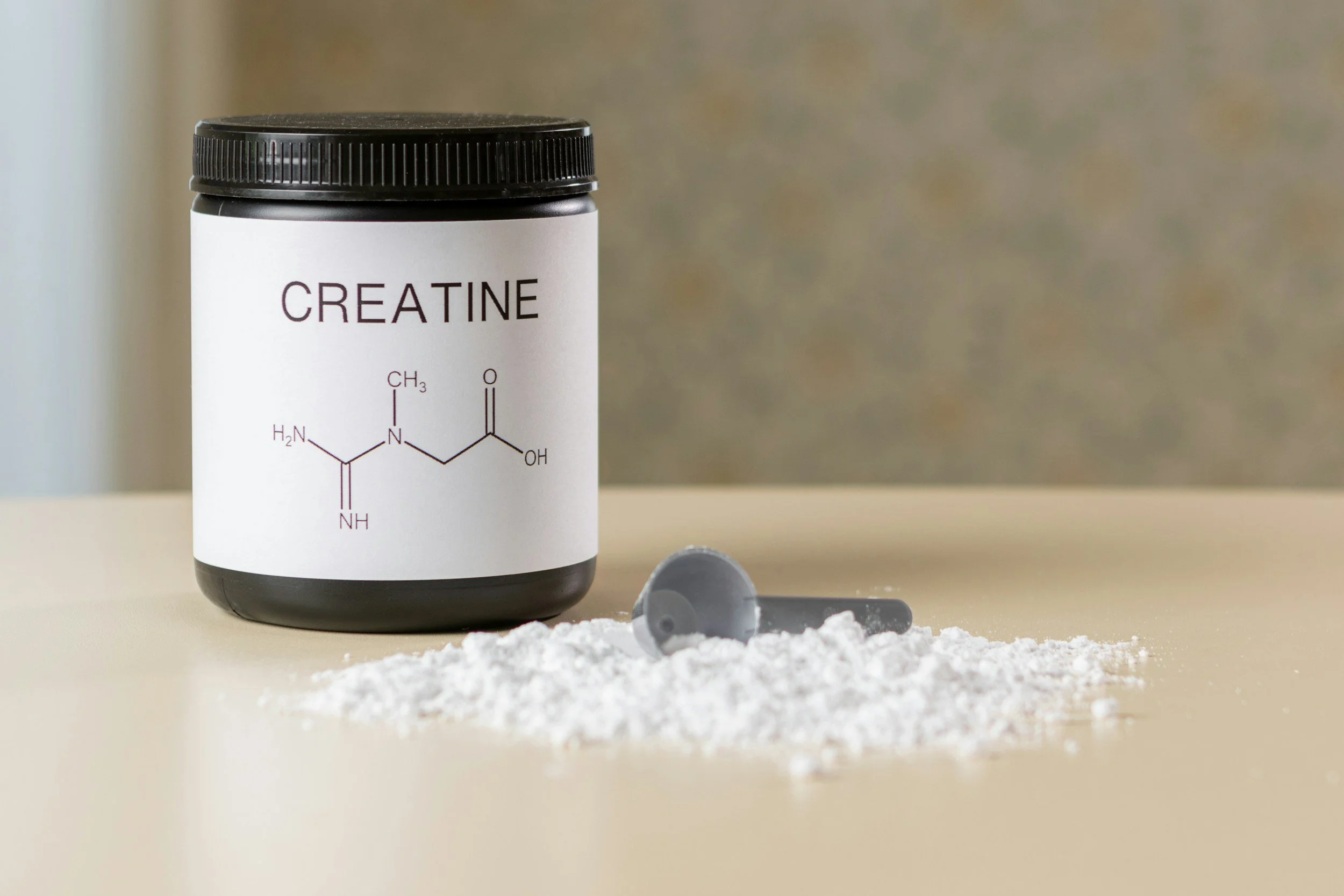
Supplement Trends to Expect in 2026 and a Recap on 2025 Highlights
I’ve had the opportunity to assess a wide range of nutrition-led products in recent years, and one clear shift stands out: the move towards “food as function.” From advanced supplements to microbiome-focused innovations and elevated everyday staples, the most compelling products are those that bridge the gap between clinical nutrition and real-life use.
Looking ahead, I expect this space to evolve further, with more inventive formats and a stronger emphasis on bioactive-rich foods that integrate seamlessly into daily routines.
Key trends observed across product evaluations
From an evaluation perspective, three themes consistently stand out:
Targeted health outcomes
Innovative delivery formats and combinations
A “food-first” approach
There has been a strong presence of microbiome and gut health products, including multistrain probiotics, fermented foods, and collagen-rich broths. While this reflects the growing mainstream understanding of the gut’s role in immunity, mood, and metabolic health, the evidence supporting broad-spectrum probiotic formulations remains variable. Benefits tend to be strain-specific and condition-dependent, and many products still lack clarity around clinically relevant dosing and outcomes.
Foundational nutrition products, such as electrolyte blends and broad-spectrum formulas, perform best when they combine evidence-based ingredients with thoughtful formulation. However, their relevance is often context-dependent. For example, electrolyte products may be useful in cases of significant fluid loss or high physical demand, but are not universally necessary for the general population. Similarly, “broad-spectrum” positioning can sometimes prioritise marketing breadth over targeted efficacy.
Minimally processed, plant-forward convenience foods are also gaining ground. Products that deliver fibre, phytonutrients, and healthy fats—without relying on ultra-processed shortcuts—demonstrate that convenience and nutritional integrity can coexist.
Functional drinks continue to evolve, with formulations targeting energy, focus, and immune support. The most credible options are those grounded in plausible mechanisms, such as polyphenols, B vitamins, and well-studied botanicals, rather than vague or exaggerated claims.
What ties these products together is their ability to align clear health needs with realistic, well-formulated solutions that fit into everyday life.
What defines credible health claims
Across product assessments, the strongest formulations are those that prioritise scientific credibility over marketing hype.
Gut, immune, and energy claims are most convincing when linked to recognised nutrients or mechanisms, such as fibre, specific live cultures, postbiotics, vitamin C, or zinc
Cognitive and mood support is more credible when based on studied ingredients like L-theanine, B vitamins, or specific botanicals used at effective doses
Sports and recovery products perform better when they go beyond protein alone, although the inclusion of electrolytes should be justified by use case rather than assumed as a default
Skin and healthy ageing formulations are strongest when aligned with known physiology, such as the role of vitamin C in collagen synthesis or the antioxidant effects of polyphenols
Overall, the most effective products translate established nutrition science into something practical, enjoyable, and transparently communicated.
Emerging formats to watch
Innovation in delivery formats continues to accelerate, particularly where it enhances both compliance and user experience.
Functional frozen formats and “supplement-meets-food” concepts are emerging, particularly in clinical or appetite-compromised settings, and may expand into more mainstream wellness products
Chewable and gummy formats remain popular, but there is increasing scrutiny around sugar content, dosing accuracy, and third-party testing
Functional hot drinks, including matcha blends and mushroom-based beverages, are growing as daily rituals that deliver bioactives such as polyphenols and beta-glucans in a familiar format
The most successful formats are those led by formulation integrity—ensuring stability, effective dosing, and realistic usage—rather than novelty alone.
The rise of functional everyday foods
One of the most promising areas is the development of “hyper-functional” pantry staples.
High-polyphenol olive oils, for example, provide compounds such as hydroxytyrosol and oleuropein, which are associated with antioxidant and cardiometabolic benefits. Regulatory bodies such as the European Food Safety Authority recognise the role of olive oil polyphenols in protecting blood lipids from oxidative stress when consumed at appropriate levels.
More broadly, there is a shift towards everyday foods—oils, spreads, broths, and grains—being designed to deliver meaningful levels of beneficial compounds such as fibre, omega-3 fatty acids, and plant polyphenols.
This approach supports both practitioners and consumers by making it easier to achieve evidence-aligned intakes through normal eating patterns, rather than relying solely on multiple standalone supplements.
Looking ahead
Based on current innovation patterns, several directions are likely to shape the next phase of nutrition-led product development:
Continued growth in gut–immune–brain axis formulations, with greater emphasis on strain specificity and clinically relevant outcomes
Greater personalisation, with products tailored to life stage, health goals, or specific needs
Expansion of functional chilled and frozen formats designed for both clinical and general wellness use
Increased development of functional oils, condiments, and staple foods with quantified bioactive content
Ongoing demand for clean-label products with transparent sourcing, sustainable packaging, and evidence-based claims
Ultimately, the most credible developments will be those that combine robust nutritional science with practicality and restraint—focusing not just on what can be added, but on what is genuinely needed to support health through everyday choices.