
Supplement Trends to Expect in 2026 and a Recap on 2025 Highlights
I’ve had the opportunity to assess a wide range of nutrition-led products in recent years, and one clear shift stands out: the move towards “food as function.” From advanced supplements to microbiome-focused innovations and elevated everyday staples, the most compelling products are those that bridge the gap between clinical nutrition and real-life use.
Looking ahead, I expect this space to evolve further, with more inventive formats and a stronger emphasis on bioactive-rich foods that integrate seamlessly into daily routines.
Key trends observed across product evaluations
From an evaluation perspective, three themes consistently stand out:
Targeted health outcomes
Innovative delivery formats and combinations
A “food-first” approach
There has been a strong presence of microbiome and gut health products, including multistrain probiotics, fermented foods, and collagen-rich broths. While this reflects the growing mainstream understanding of the gut’s role in immunity, mood, and metabolic health, the evidence supporting broad-spectrum probiotic formulations remains variable. Benefits tend to be strain-specific and condition-dependent, and many products still lack clarity around clinically relevant dosing and outcomes.
Foundational nutrition products, such as electrolyte blends and broad-spectrum formulas, perform best when they combine evidence-based ingredients with thoughtful formulation. However, their relevance is often context-dependent. For example, electrolyte products may be useful in cases of significant fluid loss or high physical demand, but are not universally necessary for the general population. Similarly, “broad-spectrum” positioning can sometimes prioritise marketing breadth over targeted efficacy.
Minimally processed, plant-forward convenience foods are also gaining ground. Products that deliver fibre, phytonutrients, and healthy fats—without relying on ultra-processed shortcuts—demonstrate that convenience and nutritional integrity can coexist.
Functional drinks continue to evolve, with formulations targeting energy, focus, and immune support. The most credible options are those grounded in plausible mechanisms, such as polyphenols, B vitamins, and well-studied botanicals, rather than vague or exaggerated claims.
What ties these products together is their ability to align clear health needs with realistic, well-formulated solutions that fit into everyday life.
What defines credible health claims
Across product assessments, the strongest formulations are those that prioritise scientific credibility over marketing hype.
Gut, immune, and energy claims are most convincing when linked to recognised nutrients or mechanisms, such as fibre, specific live cultures, postbiotics, vitamin C, or zinc
Cognitive and mood support is more credible when based on studied ingredients like L-theanine, B vitamins, or specific botanicals used at effective doses
Sports and recovery products perform better when they go beyond protein alone, although the inclusion of electrolytes should be justified by use case rather than assumed as a default
Skin and healthy ageing formulations are strongest when aligned with known physiology, such as the role of vitamin C in collagen synthesis or the antioxidant effects of polyphenols
Overall, the most effective products translate established nutrition science into something practical, enjoyable, and transparently communicated.
Emerging formats to watch
Innovation in delivery formats continues to accelerate, particularly where it enhances both compliance and user experience.
Functional frozen formats and “supplement-meets-food” concepts are emerging, particularly in clinical or appetite-compromised settings, and may expand into more mainstream wellness products
Chewable and gummy formats remain popular, but there is increasing scrutiny around sugar content, dosing accuracy, and third-party testing
Functional hot drinks, including matcha blends and mushroom-based beverages, are growing as daily rituals that deliver bioactives such as polyphenols and beta-glucans in a familiar format
The most successful formats are those led by formulation integrity—ensuring stability, effective dosing, and realistic usage—rather than novelty alone.
The rise of functional everyday foods
One of the most promising areas is the development of “hyper-functional” pantry staples.
High-polyphenol olive oils, for example, provide compounds such as hydroxytyrosol and oleuropein, which are associated with antioxidant and cardiometabolic benefits. Regulatory bodies such as the European Food Safety Authority recognise the role of olive oil polyphenols in protecting blood lipids from oxidative stress when consumed at appropriate levels.
More broadly, there is a shift towards everyday foods—oils, spreads, broths, and grains—being designed to deliver meaningful levels of beneficial compounds such as fibre, omega-3 fatty acids, and plant polyphenols.
This approach supports both practitioners and consumers by making it easier to achieve evidence-aligned intakes through normal eating patterns, rather than relying solely on multiple standalone supplements.
Looking ahead
Based on current innovation patterns, several directions are likely to shape the next phase of nutrition-led product development:
Continued growth in gut–immune–brain axis formulations, with greater emphasis on strain specificity and clinically relevant outcomes
Greater personalisation, with products tailored to life stage, health goals, or specific needs
Expansion of functional chilled and frozen formats designed for both clinical and general wellness use
Increased development of functional oils, condiments, and staple foods with quantified bioactive content
Ongoing demand for clean-label products with transparent sourcing, sustainable packaging, and evidence-based claims
Ultimately, the most credible developments will be those that combine robust nutritional science with practicality and restraint—focusing not just on what can be added, but on what is genuinely needed to support health through everyday choices.

What is SIBO?
Small Intestinal Bacterial Overgrowth (SIBO) happens when too many bacteria build up in the small intestine, leading to uncomfortable gut symptoms and, in some cases, nutrient deficiencies.
I work with clients to help them understand what is driving their symptoms, calm inflammation, and make practical changes so you can eat with more confidence again.
What is SIBO?
SIBO is essentially an overgrowth of bacteria in the small intestine, where normally only relatively low numbers of microbes should be present. This overgrowth can interfere with digestion and absorption, leading to gas production, irritation of the gut lining, and problems with how you process fats, carbohydrates, and some vitamins.
• The excess bacteria ferment carbohydrates, producing hydrogen and/or methane gas, which drives bloating, pain, and changes in bowel habits.
• Over time, SIBO can contribute to malabsorption of nutrients such as vitamin B12, fat-soluble vitamins (A, D, E, K), and minerals like calcium.
Common SIBO symptoms
SIBO symptoms can overlap with IBS and other digestive issues, which is one reason it often goes undiagnosed for a long time.
Typical digestive symptoms include:
• Bloating and visible abdominal distension, often worsening after eating
• Excess gas, belching, and flatulence
• Abdominal discomfort or cramping
• Diarrhoea, constipation, or alternating between the both at differing times
• A feeling of fullness very quickly or discomfort after eating small amounts
Possible whole-body symptoms include:
• Unintentional weight loss or difficulty maintaining weight.
• Fatigue, weakness, and “brain fog” linked to nutrient deficiencies.
• Signs of low B12 or vitamin D over time, such as tingling, low mood, or bone health issues.
What causes SIBO?
SIBO is usually the result of something affecting how food and bacteria move through the small intestine or how well the gut’s natural defences are working.
Key contributors can include:
• Sluggish gut motility (slow movement of food), which might be linked to diabetes, connective tissue conditions, hypothyroidism, or nerve issues.
• Structural changes in the gut, such as adhesions, diverticula, strictures, or previous abdominal surgery that creates “pockets” or slows transit of food.
• Reduced stomach acid or bile flow, which would normally help keep bacterial numbers in check.
• Long-term use of certain medications, such as some acid-suppressing drugs, which can alter the gut environment.
• Co-existing conditions like coeliac disease, Crohn’s disease, or scleroderma that change how the small intestine functions.
How SIBO is usually diagnosed
Diagnosis is typically done by a gastroenterologist or specialist, and a nutritional therapist will often work alongside this medical process.
Common approaches include:
• Breath testing (usually lactulose or glucose) to measure hydrogen and methane gases produced by bacteria in the small intestine.
• In more complex cases, small bowel aspirate and culture, or investigative endoscopy, to directly sample small intestinal contents.
• Blood tests for nutrient levels (like B12, iron, and vitamin D) and markers of malabsorption if symptoms suggest deficiencies.
What to expect from working with me
Working with me when you have a SIBO diagnosis is not just about “what to eat” but about understanding your underlying triggers, supporting medical treatment, and helping you rebuild a more resilient gut over time.
The process:
• Firstly, I take a detailed health and symptom history: looking at your digestion, energy, previous diagnoses, medications, stress levels, and diet to identify patterns and possible root causes.
• I support you with access to testing if necessary and explain any results you already have that may be complicated and confusing: I help you understand breath test options, timing, preparation, and how test results might link to your symptoms (while diagnosis itself remains medical).
• I make a phased nutrition plan for you: starting with a plan to reduce symptoms (often adjusting fermentable carbohydrates, meal timing, and texture), then gradually re-expanding your diet to avoid long-term unnecessary restriction.
• Gut motility and digestion support: using food timing, fibre types, hydration, and sometimes carefully selected supplements (where appropriate) to support stomach acid, bile flow, and the migrating motor complex.
• Nutrient repletion: identifying where SIBO may have led to low B12, iron, or fat-soluble vitamins and using food-first strategies, with supplements if needed, to rebuild levels safely.
• Longer-term relapse prevention: gradually I will help you to broaden your diet, to support gut microbiome balance in the large intestine, and I will also work with you on lifestyle factors such as stress, sleep, and gentle movement, which all influence gut motility.
For many people, the most valuable parts of this process are having a clear plan, feeling understood, and no longer guessing which foods are “safe” day to day. I can help you move from constant firefighting of symptoms to a more stable, flexible way of eating that supports both your gut and overall health.
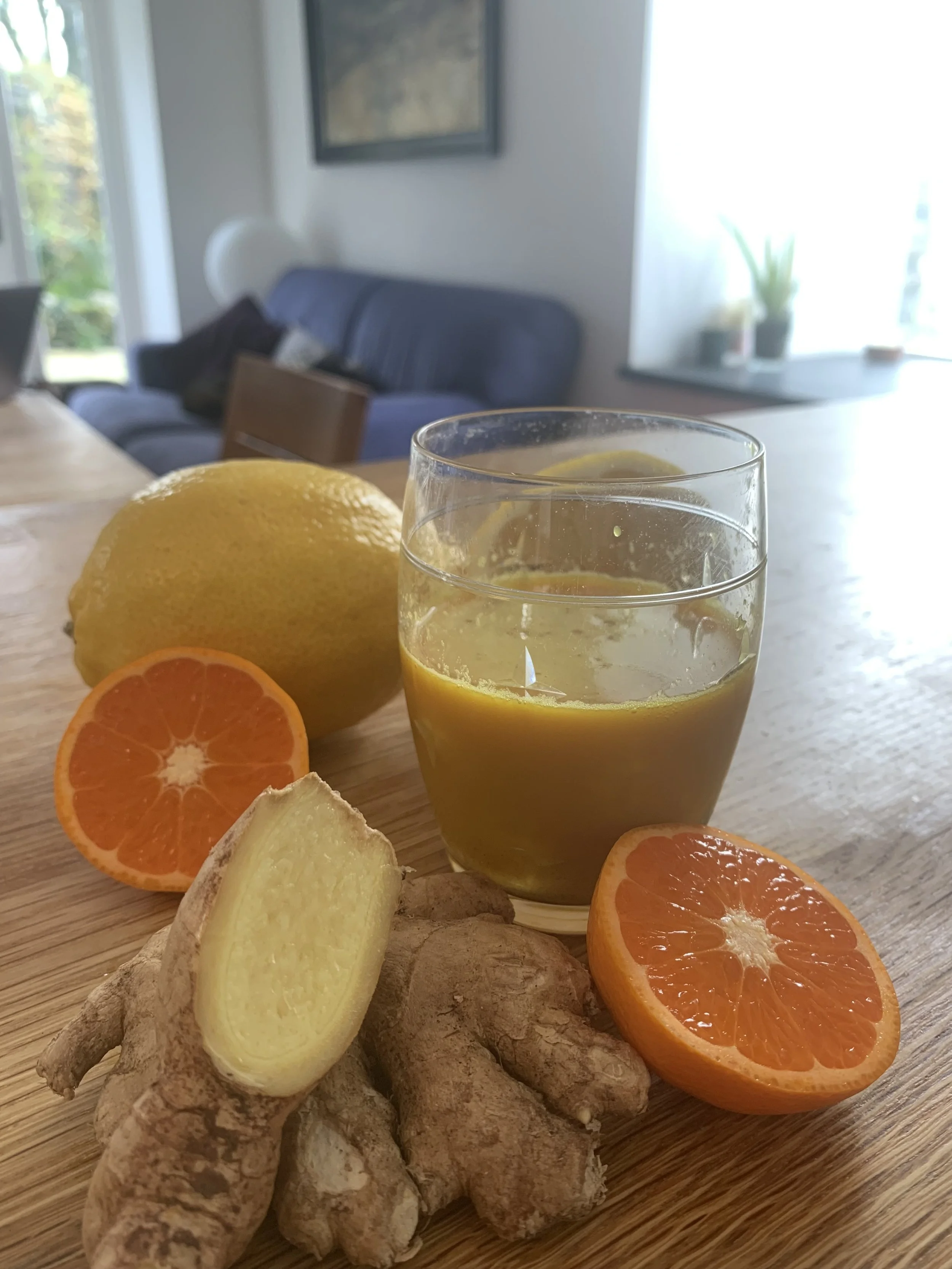
Immune Boosting Shots - Get ahead this wintertime!
Here are three health shot recipes for your suggested immune support, gut health recovery, and an energy boost. Each recipe features a blend of classic and slightly offbeat ingredients, specifically with blood sugar balance and post-indulgence support in mind.
The recipes reflect current evidence-based nutrition trends.
Each recipe makes approx. 10 shots that should be stored in airtight glass containers in the fridge and used within 3-5 days for optimal potency, flavour, and nutritional value. If you'd like to extend their shelf life, you can freeze individual portions in ice cube trays for up to 2-3 months. Shaking or stirring before serving helps re-mix any settled ingredients for maximum benefit.
Immune Boost Shot
This shot is great for flu season, using traditional immunity boosters like ginger, turmeric, and citrus. It also includes apple cider vinegar, a blood sugar modulator. The pepper activates the anti-inflammatory properties of the turmeric.
3 oranges, juiced or 200ml juice (not from concentrate)
3 lemons, juiced
3 tablespoons apple cider vinegar (with “the Mother”)
3 inches of fresh ginger, grated or juiced
2 tsp turmeric powder
½ tsp of cayenne pepper
1 tablespoon honey (preferably raw)
½ tsp of black pepper
Mix the honey, turmeric, and a tablespoon of hot water until smooth. Add all other ingredients and shake well. Cool and fridge.
Have a shot in the morning after a late night or as a daily seasonal boost.
Gut Health Weekend Recovery Shot
This quirky “recovery” shot targets gut balance post-indulgence and includes ingredients that support microbial and enzymatic activity, plus a touch of matcha for energy and clarity benefits.
200ml beetroot juice (not from concentrate)
200ml pineapple juice (fresh or frozen)
2 kiwis juiced
2 teaspoons matcha powder
3 tablespoons of ginger juice
2 squeezed lemon
4 teaspoons of apple cider vinegar
Dash of sea or Himalayan rock salt
Blend all ingredients thoroughly, then strain if needed.
Energy Boost Shot
A pick-me-up, this shot offers both immediate and sustained vitality, using spinach for iron, cucumber for hydration, and citrus and apple to help modulate blood sugar.
200ml apple juice (not from concentrate)
1/4 cucumber juiced.
2 limes, juiced.
2 large handfuls of spinach leaves
2 thumb-sized pieces of fresh ginger, juiced.
Pinch of Himalayan rock salt (for minerals and to support electrolyte balance)
1 cup cold water
Blend all ingredients until smooth, strain, and serve as a shot. The inclusion of leafy greens, low-GI fruits, and electrolytes makes this shot energising and blood-sugar-friendly—excellent for a midday boost or pre-workout.

Food Intolerance Testing: Case Study
Her main symptoms were bloating, intermittent diarrhoea, fatigue, and brain fog that severely impacted her quality of life – she went out less often as she never knew when she would need to be near a toilet. After our initial consultation and diet analysis we agreed that to get to the root cause, we would try and eliminate anything specific that might be triggering an inflammatory reaction. There are a few common foods that we could have started with but she was at her wits end and was happy to pay for a comprehensive gut inflammation test was the quickest approach and could be performed easily at home. This test measures her reaction to 176 foods in the following categories: