

Fuelling Teenagers
The report reveals a shocking statistic: a huge 66% of the average teenager's calorie intake comes from ultra-processed foods (UPFs). Compared to adults, who consume over 50% of their calories from UPFs, and it's clear our teens are in the danger zone.
So, what's driving this trend? As a nutritional therapist, I strongly believe it’s being spearheaded by misleading branding and advertising, confusing health claims and messages and the addictively designed nature of these "tasty" but nutritionally ambiguous and often void foods.
It's a perfect storm that's fuelling the rising obesity rates among our Z and Alpha generations who are mainly parented by the Millennials, the first generation of UPF consumers.

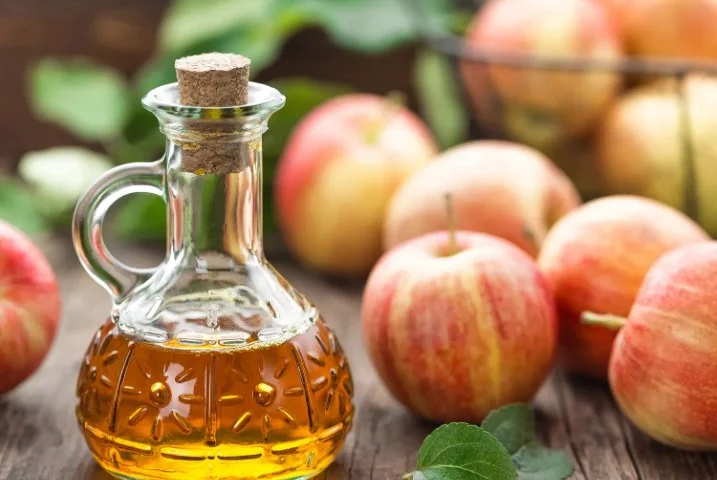
Acid Reflux and Apple Cider Vinegar; Fact v Fiction
Bottle of apple cider vinegar with apples

Kombucha? How does it work?
Kombucha has gained popularity as a health drink, but understanding how it affects your body can help you decide if it's right for you. Let's explore how kombucha may contribute to your health and address some common questions.
How Kombucha Potentially Supports Health
Kombucha is a fermented tea that contains several compounds that may benefit your health:
Probiotics: During fermentation, beneficial bacteria and yeasts develop, potentially supporting gut health. These probiotics may help balance your gut microbiome, which is crucial for digestion and overall wellness.
Antioxidants: Kombucha, especially when made from green tea, contains polyphenols and other antioxidants. These compounds help protect your cells from damage caused by free radicals.
Organic Acids: The fermentation process produces organic acids like acetic acid, which may have antimicrobial properties

Breast cancer-causing chemicals in food packaging
The study found a whopping 189 chemicals in food contact materials (FCMs) that might cause breast cancer. What's really worrying is that these materials are already on the market, despite laws meant to protect us from dangerous chemicals in our food packaging.
Here's the breakdown:
- 143 potential breast carcinogens in plastic FCMs
- 89 in paper or cardboard FCMs
- Other materials, except glass, also had these chemicals
When the researchers looked at the most recent studies from 2020-2022, they found evidence of 76 potential and confirmed breast carcinogens migrating from FCMs into food. Most of these (80%) came from plastic materials.

Quiz: What’s your nutrition score?
10. How would you describe your relationship with food?
a) I eat what I want, when I want, and feel happy with my choices.
b) I love food but am mindful of everything I eat.
c) I'm not sure; I often feel guilty about the foods I choose and get a lot of bloating.
d) I worry that I have no control over my eating habits.

The Perils of DIY Functional Health Testing
Companies that sell at-home test kits, without any qualified result-based consultation, have a financial incentive to encourage multiple tests for a multitude of symptoms. The testing companies doing this have no sense of responsibility to you as a customer and they are in it to purely make money. A RNT can assess your health and objectively determine which tests, if any, are truly necessary for each situation. A RNT tend to be passionate about their work and the latest evidence-based theories, they don’t make a lot of money and are generally in practice to support their clients.

Should I Avoid Carbohydrates to Lose Weight?
The Role of Carbohydrates
Carbohydrates are a crucial macronutrient that serves several vital functions in the body:
1. Energy Source: Carbohydrates are the body's preferred source of energy, especially for the brain.
2. Gut Health: Fibre-rich carbohydrates support a healthy gut microbiome, which is linked to better weight management and overall health.
3. Nutrient Density: Whole food carbohydrate sources are packed with essential vitamins, minerals, and antioxidants.

Essential Items for Your Uni-Bound Kid
Keeping it simple and efficient is key when preparing your university-bound child for healthy eating. Focus on safe, non-stick cookware, eco-friendly storage containers, and essential utensils. With these items, they’ll be well-equipped to prep their meals, eat healthier, and save money. Plus, they’ll be learning valuable skills that will serve them well beyond university. Enjoy your summer with your teen helping them prepare to fly the nest.

Avoid Poisoning Yourself with home-cooked foods
1. Refrigeration:
- Store cooked foods in shallow containers to cool them quickly.
- Allow to cool and refrigerate within 2 hours of cooking (1 hour if the room temperature is above 32°C).
2. Freezing (if they are lucky to have access to a freezer):
- Label and date foods before freezing.
- Store in airtight containers or freezer bags to prevent freezer burn.
Recommended Freezer Storage:
Silicone Freezer Bags: Silicone bags are reusable, durable, and free from harmful chemicals. They are also temperature-resistant, making them safe for both the freezer and the microwave.
PEVA Freezer Bags: PEVA (Polyethylene Vinyl Acetate) is a non-chlorinated vinyl that is often used as a safer alternative to PVC. PEVA bags are lightweight, reusable, and free from BPA, phthalates, and PVC.